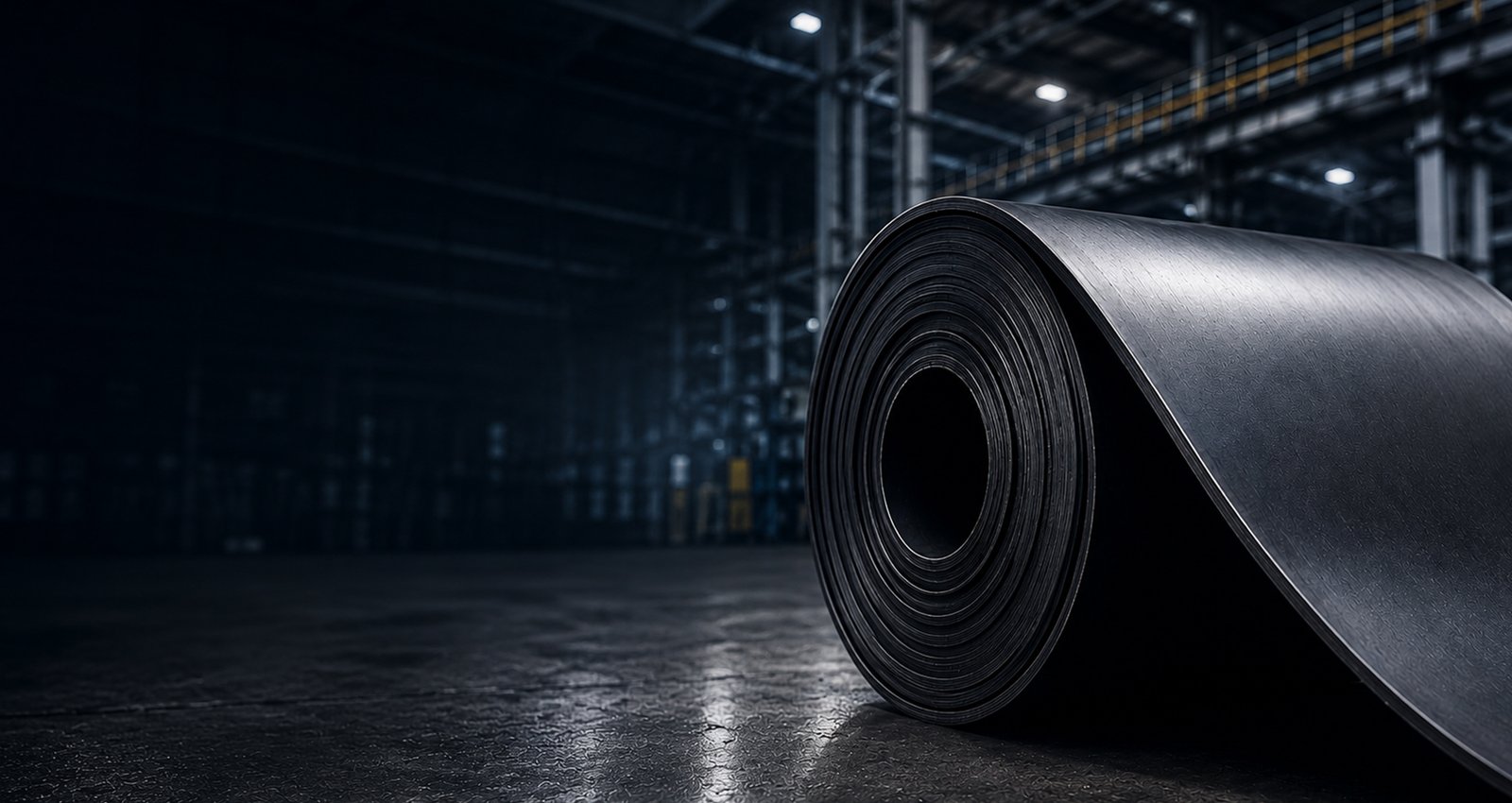
Chevron conveyor belt overview
Positive grip for reliable incline conveying.
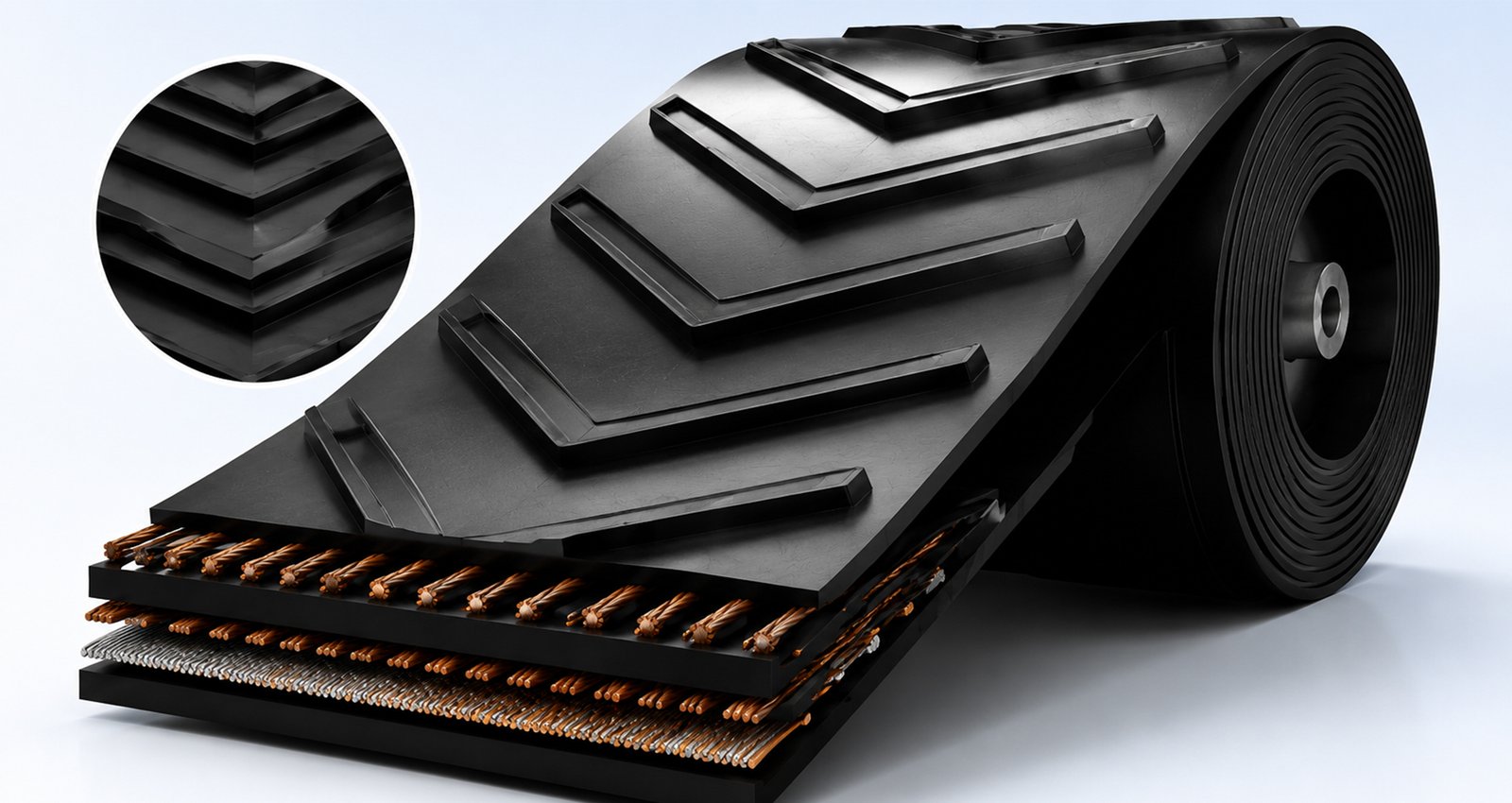
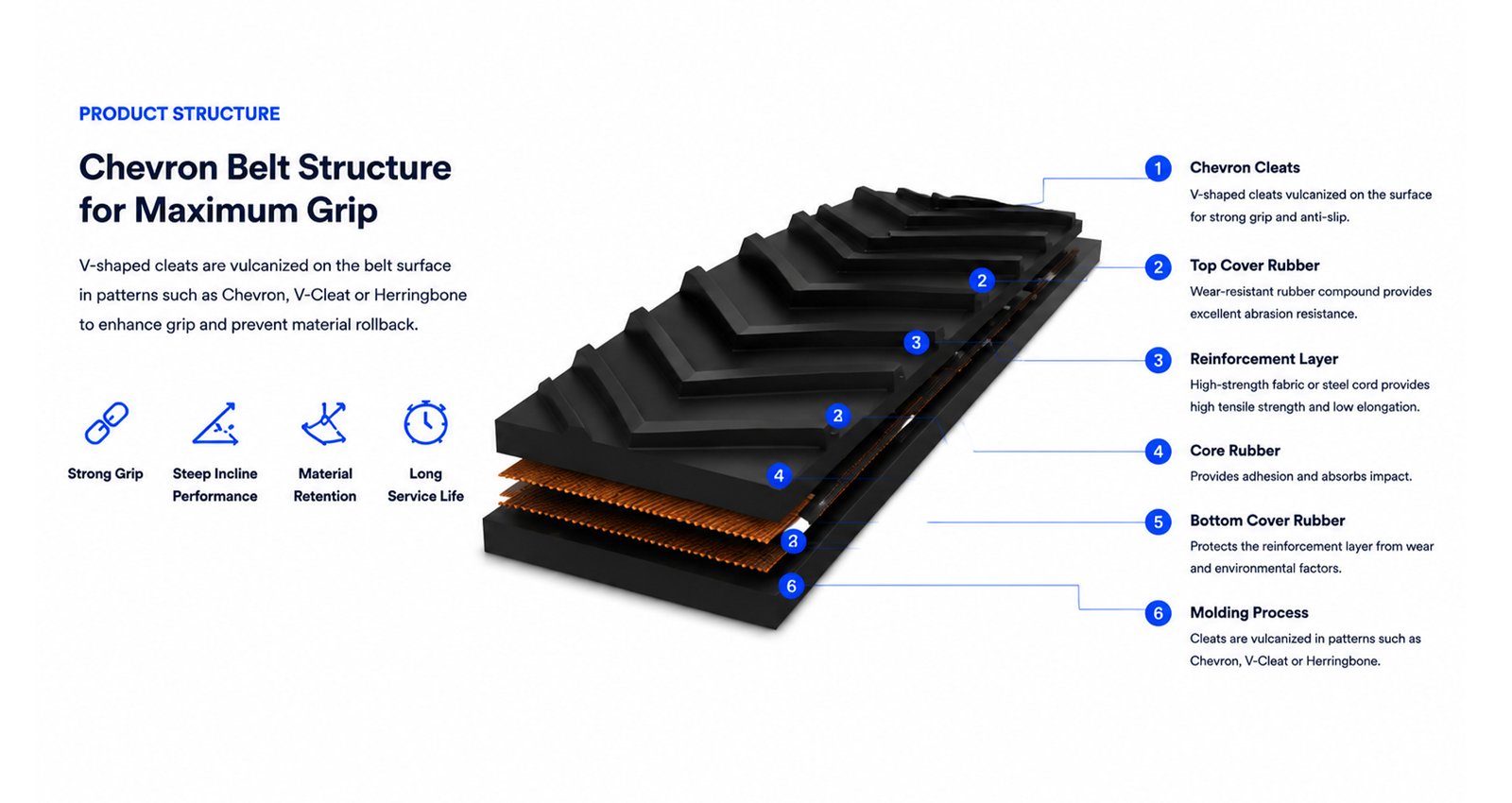
Chevron conveyor belts use moulded V-shaped profiles on the top cover to help prevent material rollback and maintain stable conveying on inclined routes.
Available configurations cover belt widths from 500 mm to 2400 mm, tensile strengths from EP100 to EP630, profile heights from 10 mm to 50 mm and profile angles of 35°, 45° or 60°. The final configuration should be selected around the material, incline and operating conditions.
Configuration priorities
Profile and belt selected as one system.
Profile height, pitch, angle and belt construction should be confirmed together against the material and conveyor route.
Incline stability
Moulded profiles help control material movement and reduce rollback on inclined conveying routes.
Profile height
Available profile heights from 10 mm to 50 mm support different material and incline requirements.
Profile pitch
Listed pitch options extend from 150 mm to 350 mm for different conveying duties.
Profile angles
Current profile angles include 35°, 45° and 60°, subject to final technical confirmation.
Application environments
Incline conveying across core industries.
The correct profile and belt construction depend on the material, capacity, route angle and operating conditions.
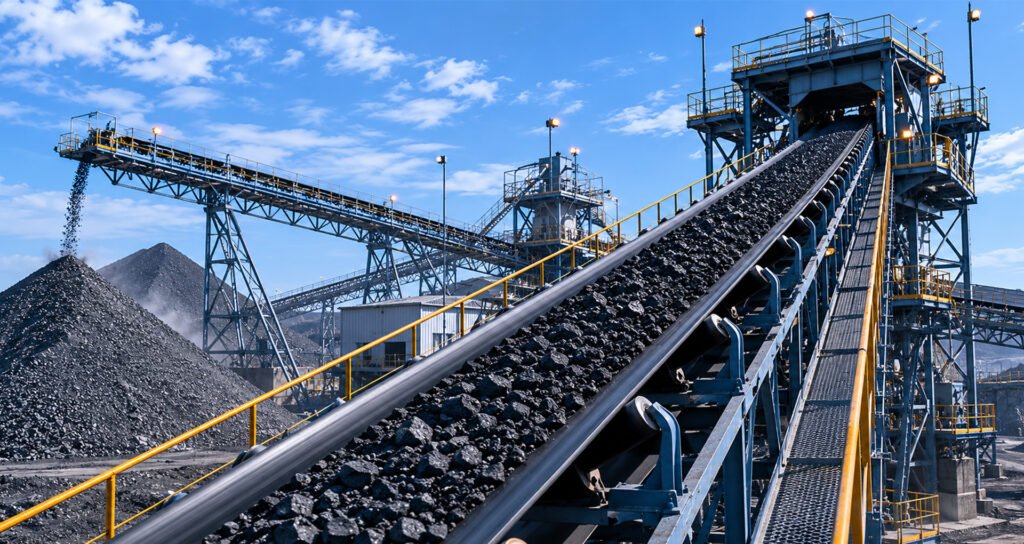
Mining
For moving bulk materials on inclined routes within mining conveying systems.
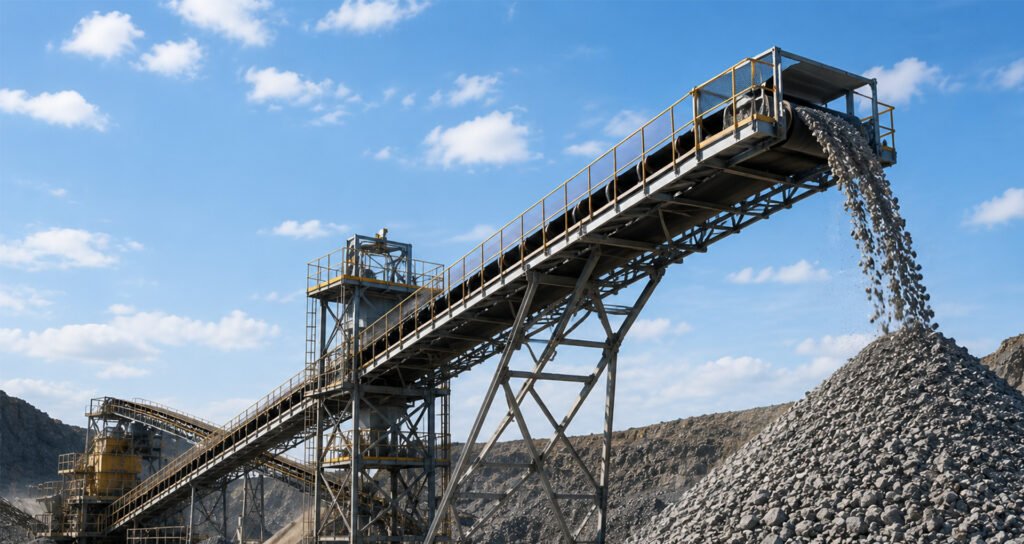
Quarry & Aggregate
For stable handling of quarry and aggregate materials on inclined conveyors.
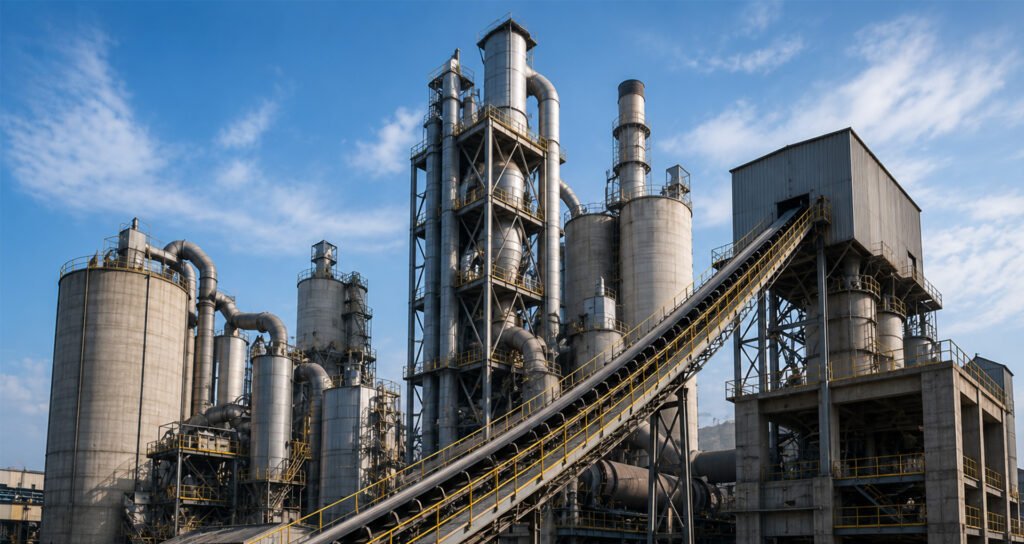
Cement Production
For inclined material transfer within cement production facilities.
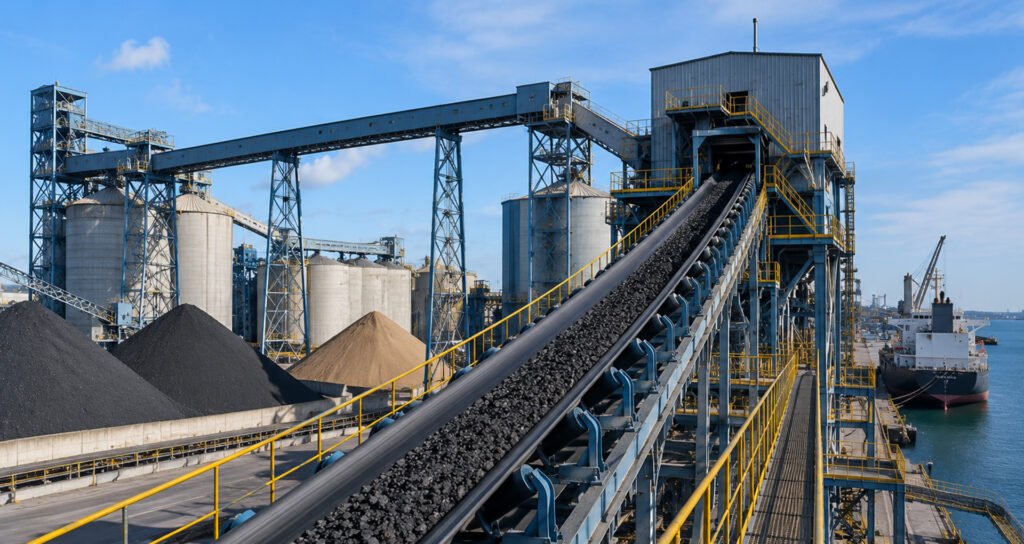
Bulk Material Handling
For controlled material movement in general bulk handling systems.
Construction and selection
Chevron profile, cover and carcass specified together.
The profiled top cover, belt carcass and cover thickness should be selected as a complete system around the conveyor geometry and conveyed material.
Technical reference
Reference specifications.
The following values reproduce the current available range. Final values and compatible combinations should be confirmed against the conveyor duty and purchase specification.
| Item | Available range / reference |
|---|---|
| Belt width | 500–2400 mm |
| Tensile strength | EP100–EP630 |
| Profile height | 10–50 mm |
| Profile pitch | 150–350 mm |
| Chevron angle | 35° / 45° / 60° |
| Cover thickness | 3–12 mm |
| Standard length | Up to 500 m |
| Temperature range | −25°C to 80°C |
| Splice type | Hot vulcanized |
| Application | Incline conveying |
Specifications are subject to technical confirmation. Share the material and conveyor data when requesting a quotation.
Selection checklist
What to send for belt selection.
Complete operating information helps reduce assumptions and supports a more useful technical review and quotation.
Material
Material name, bulk density, lump size, moisture and operating temperature.
Conveyor route
Inclination, vertical lift, belt width, capacity and speed.
Profile requirement
Required profile angle, height, pitch and conveying direction.
Supply details
Cover thickness, roll length, quantity, packaging and destination.
Frequently asked questions
Before requesting a quotation.
What belt widths and tensile strengths are available?
The listed range covers belt widths from 500 mm to 2400 mm and tensile strengths from EP100 to EP630. The final combination should be confirmed for the conveyor duty.
What profile heights and pitches can be supplied?
Profile heights are listed from 10 mm to 50 mm and profile pitches from 150 mm to 350 mm. The correct combination depends on the material and conveyor route.
Which chevron angles are listed?
The current product range lists 35°, 45° and 60° profile angles, subject to final technical confirmation.
What temperature range and cover thickness are listed?
The listed temperature range is −25°C to 80°C, with cover thickness from 3 mm to 12 mm. Please provide the actual material and ambient temperatures.
How is the belt joined?
The listed splice type is hot vulcanized. The splice arrangement and procedure should be confirmed for the selected belt and site conditions.
Technical quotation
Share the incline conveying duty for review.
Send the operating details you already have. The team can use them to review the profile, belt construction and quotation requirements.
- Material, capacity and lump size
- Inclination, vertical lift and belt speed
- Belt width and profile requirements
- Required length, quantity and destination
Request a quotation
Complete the form below and include as much operating information as possible.